


Copper Price Volatility And Cost Exposure For Furniture Fittings
Nov 13, 2026
Leave a message
Current Market Snapshot
As of November 11, 2026, copper futures are trading at approximately $6.30 per pound**, reflecting a 1.26% increase from the previous day. While prices have eased roughly **5.98% over the past month**, copper remains **24.21% higher than a year ago**, underscoring the persistence of elevated input costs. The metal reached an all-time high of $6.85 per pound in September 2026, and current forecasts point to $6.30 by the end of this quarter, rising to **$6.79 in 12 months' time.
Supply-Side Pressures Are Not Resolving Quickly
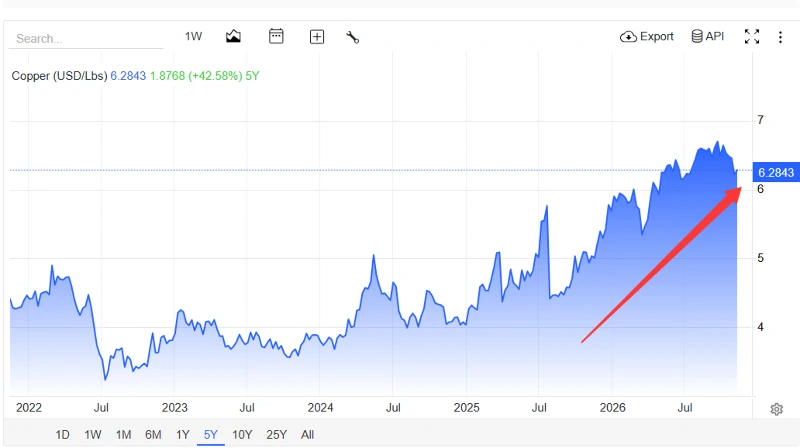
The recent price action is not merely speculative noise. Physical supply conditions in China-the world's largest copper consumer-remain tight. Import premiums have reached record levels, refined copper shipments have declined, and domestic smelters have cut production in response to rising ore costs and compressed margins. At the same time, substantial volumes of copper have been redirected to the United States ahead of potential import tariffs, further tightening availability elsewhere. These structural factors suggest that copper prices are likely to remain supported well above historical norms
.
Why This Matters for Furniture Fittings
Copper and its alloys-brass and bronze-are central to the functional and decorative hardware that defines furniture quality: handles, pulls, hinges, decorative trims, bathroom fittings, and kitchen hardware. Industry analysis has explicitly flagged that copper prices trading above $13,000 per tonne continue to impact manufacturers of lighting, kitchens, bathroom fittings, and furniture hardware, where the material plays an essential role in both performance and aesthetics.
Hardware suppliers have already begun adjusting pricing in response. Published notices from furniture hardware manufacturers cite copper among the critical raw materials driving price increases in the range of 6% to 13% across product ranges, with the exact adjustment varying by material composition. Major lock and hardware groups have also pointed to copper, zinc, and nickel as persistent cost pressures behind 2026 price revisions. Reports from the sector indicate that copper costs rose more than 25% in the first half of 2026, prompting hardware makers to accelerate material substitution research and revise quotations.
What We Recommend:
Review pending and planned orders now. Several hardware suppliers are advising clients to place orders ahead of scheduled price adjustments to secure current pricing and manage inventory costs effectively. If your projects specify copper-based or brass fittings, advancing procurement can mitigate exposure to the next round of increases.
Audit specifications for copper content. Not every "metal" fitting carries the same cost sensitivity. Identify line items where copper alloys represent a meaningful share of component value, and consider whether design alternatives or value-engineering options are appropriate for less critical applications.
Factor copper volatility into project budgets and timelines. With forecasts pointing to sustained elevated prices through 2027, treating copper fittings as a stable-cost category is no longer prudent. Build contingency into estimates and communicate lead-time and pricing assumptions early with stakeholders.
Stay close to supplier notices. The price-adjustment cycle in hardware is active. We will continue to monitor market developments and share relevant updates, but we encourage you to maintain direct dialogue with your hardware suppliers regarding effective dates and product-specific impacts.
Copper is not an abstract commodity-it is embedded in the handles, hinges, and finishes that clients touch and evaluate every day. The current price environment rewards early action and specification awareness. Please reach out to our team if you would like to discuss exposure across your current pipeline or explore procurement timing options